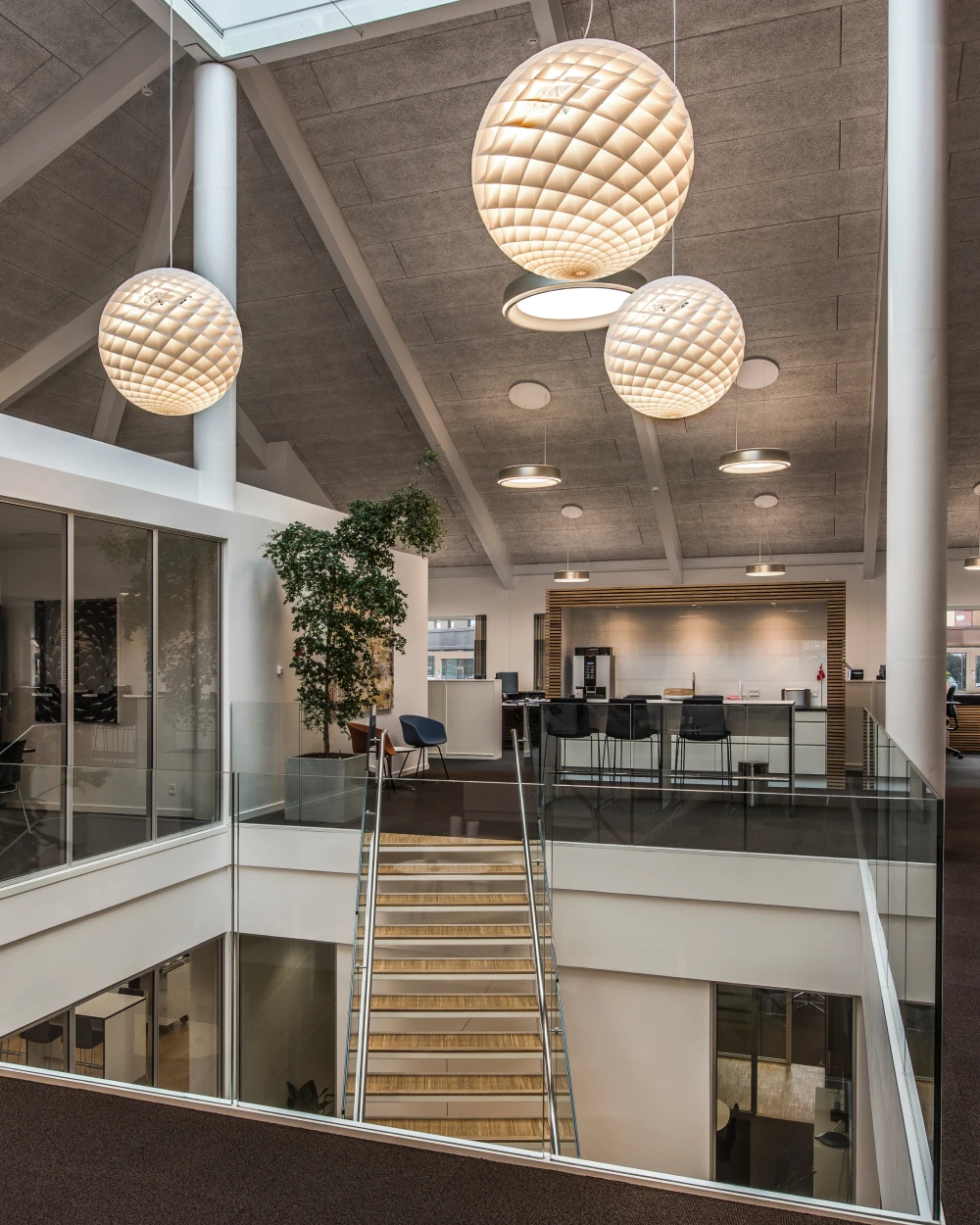
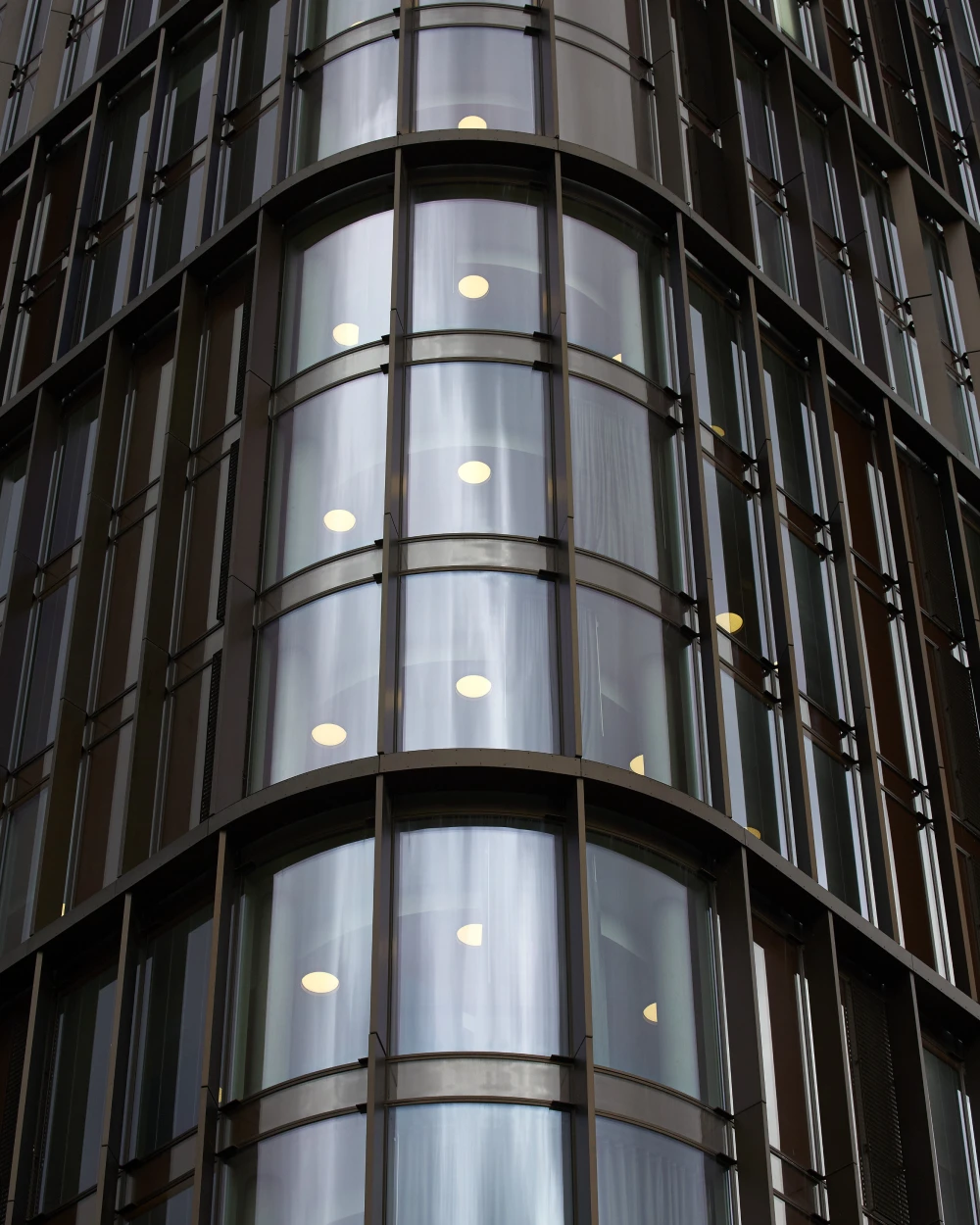
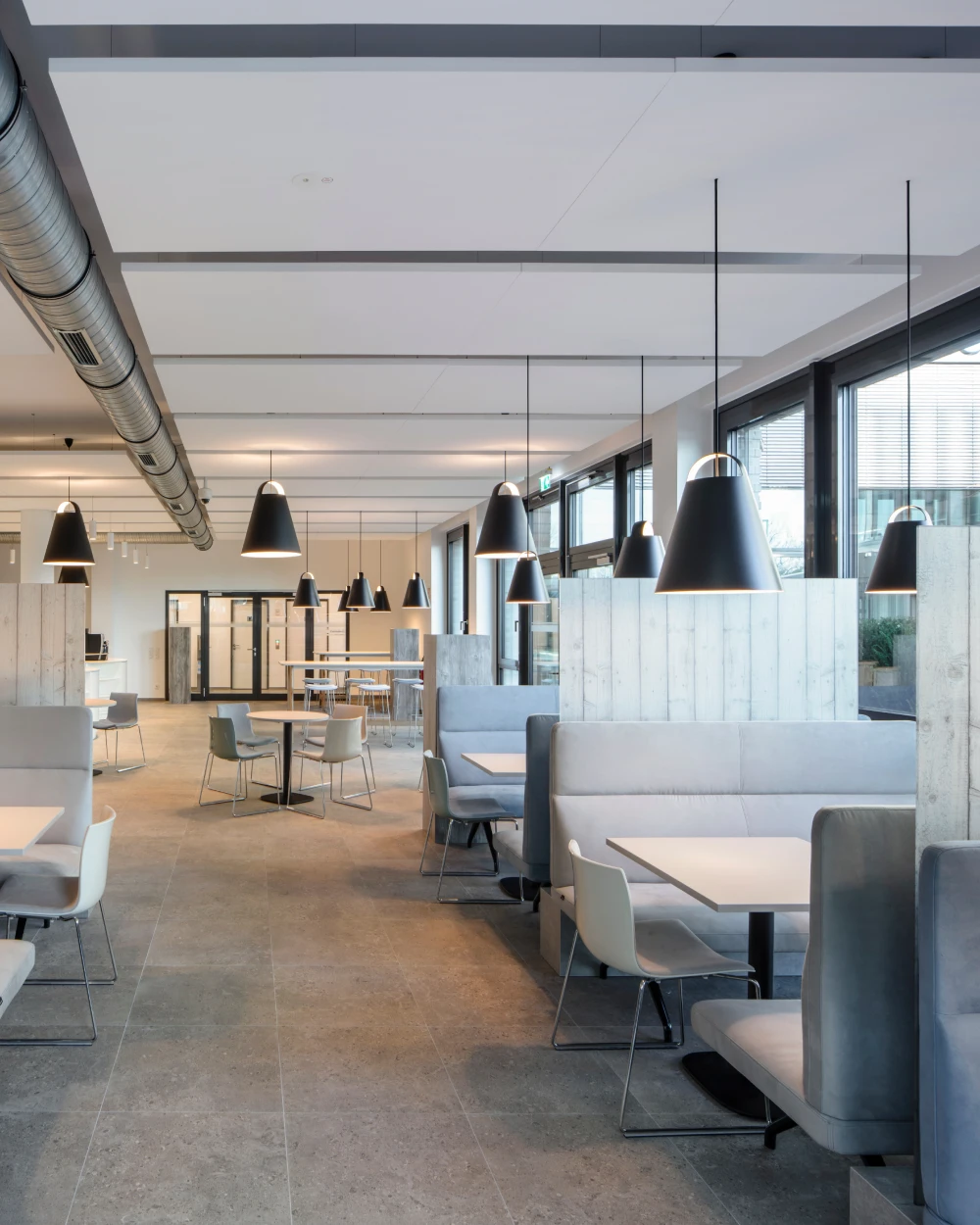
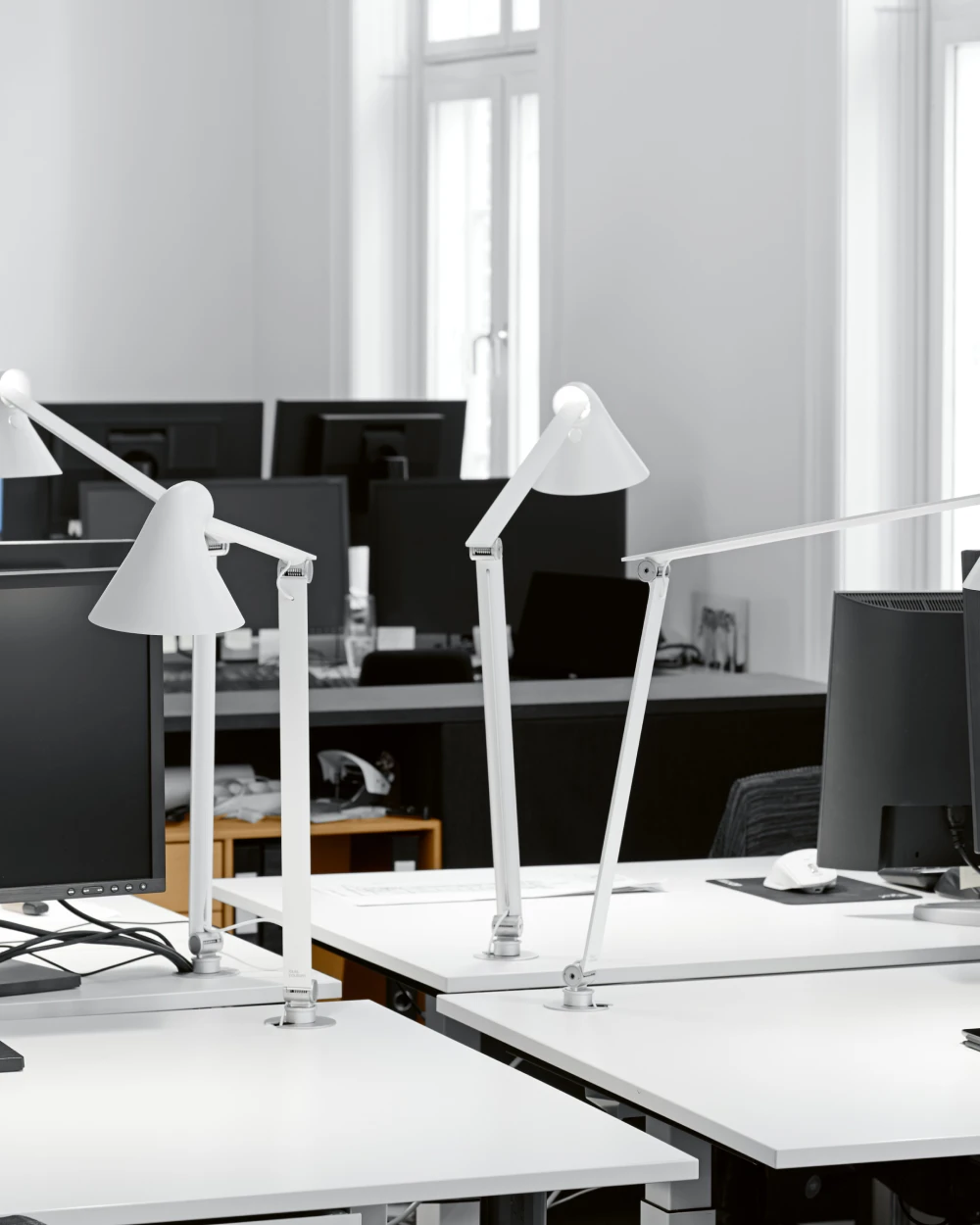
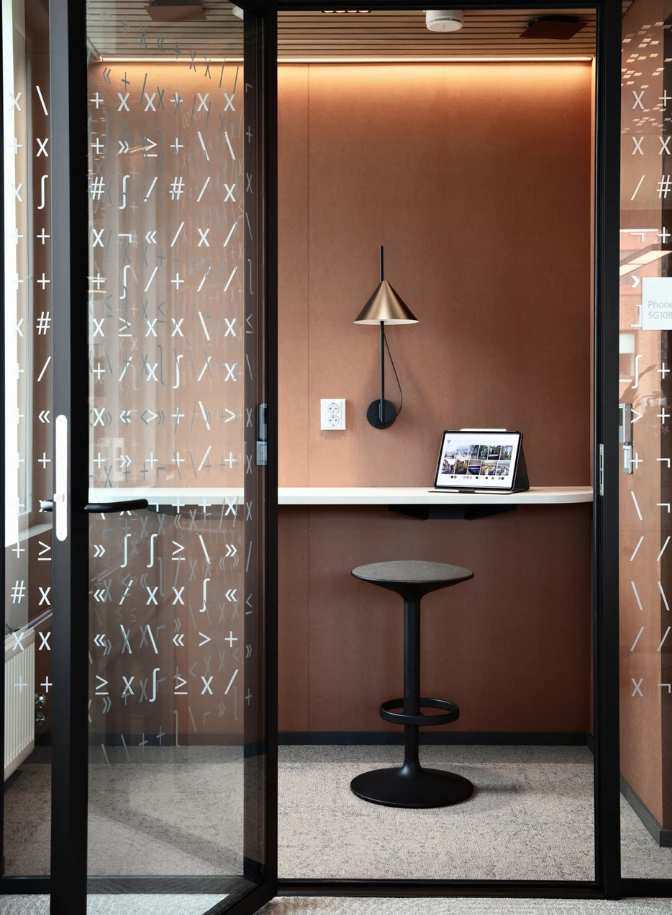
Considering that many people on average spend as much as 90% of our time indoors, we do not receive enough natural light. Thus, adequate office lighting levels is imperative for anyone working in office spaces as these are often partly or fully deprived of natural lighting.
Light affects us quite differently over the course of a day. This makes the element of time essential in the planning of light and architecture. When we plan the light in buildings, we should draw learnings from studying the changes in our bodily activity over the course of a day our circadian rhythm: The human brain's 24-hour clock for cycling through sleepiness and alertness at regular intervals.
When solving various tasks at offices – whether these are at a desk, in meeting rooms or elsewhere across offices, the lack of natural lighting in offices means your eyes are hard at work, and if you do not have adequate office lighting levels, you will unconsciously tense your eye muscles. This can lead to headaches and make it difficult to concentrate on the tasks at hand and therefore reduce productivity.