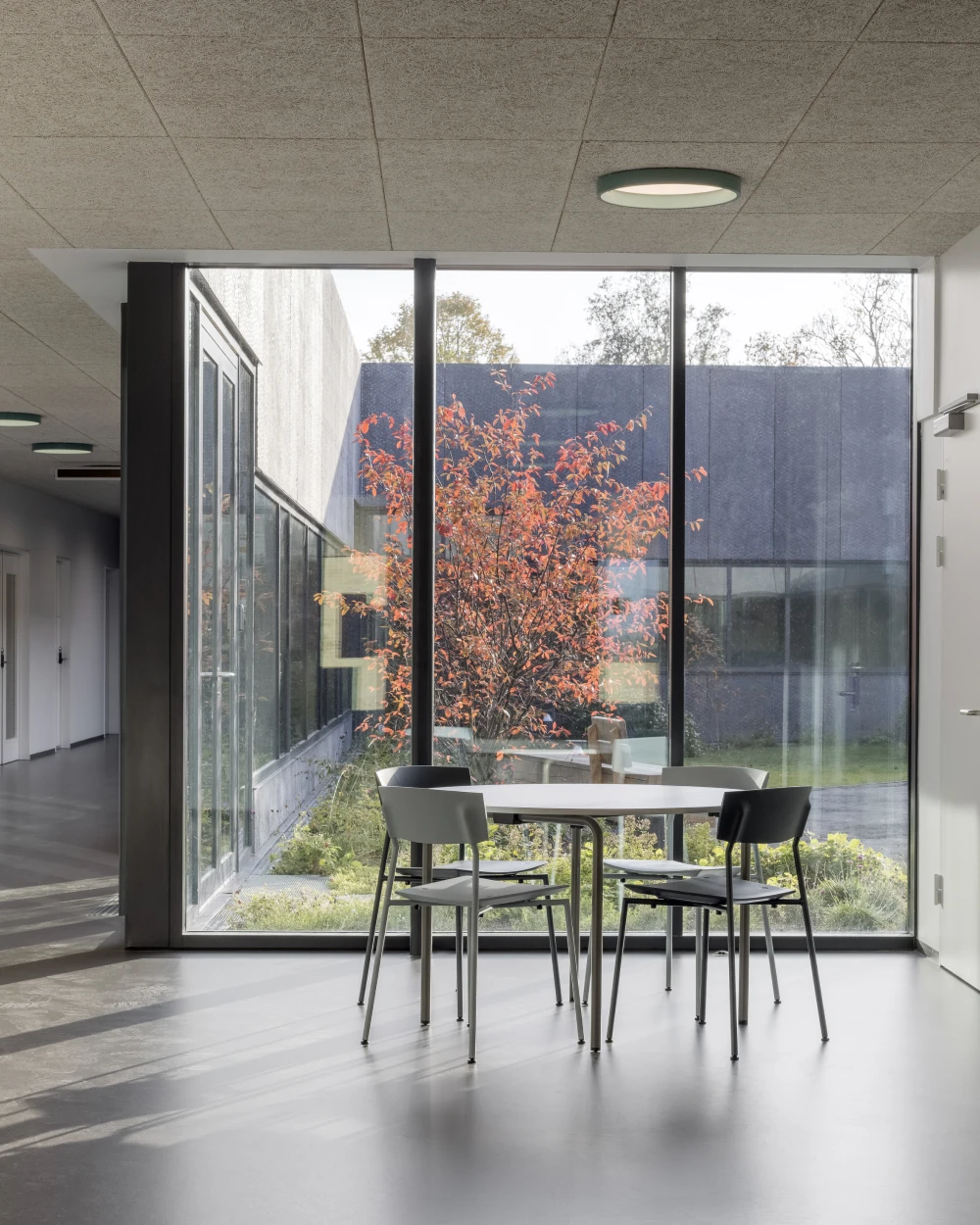
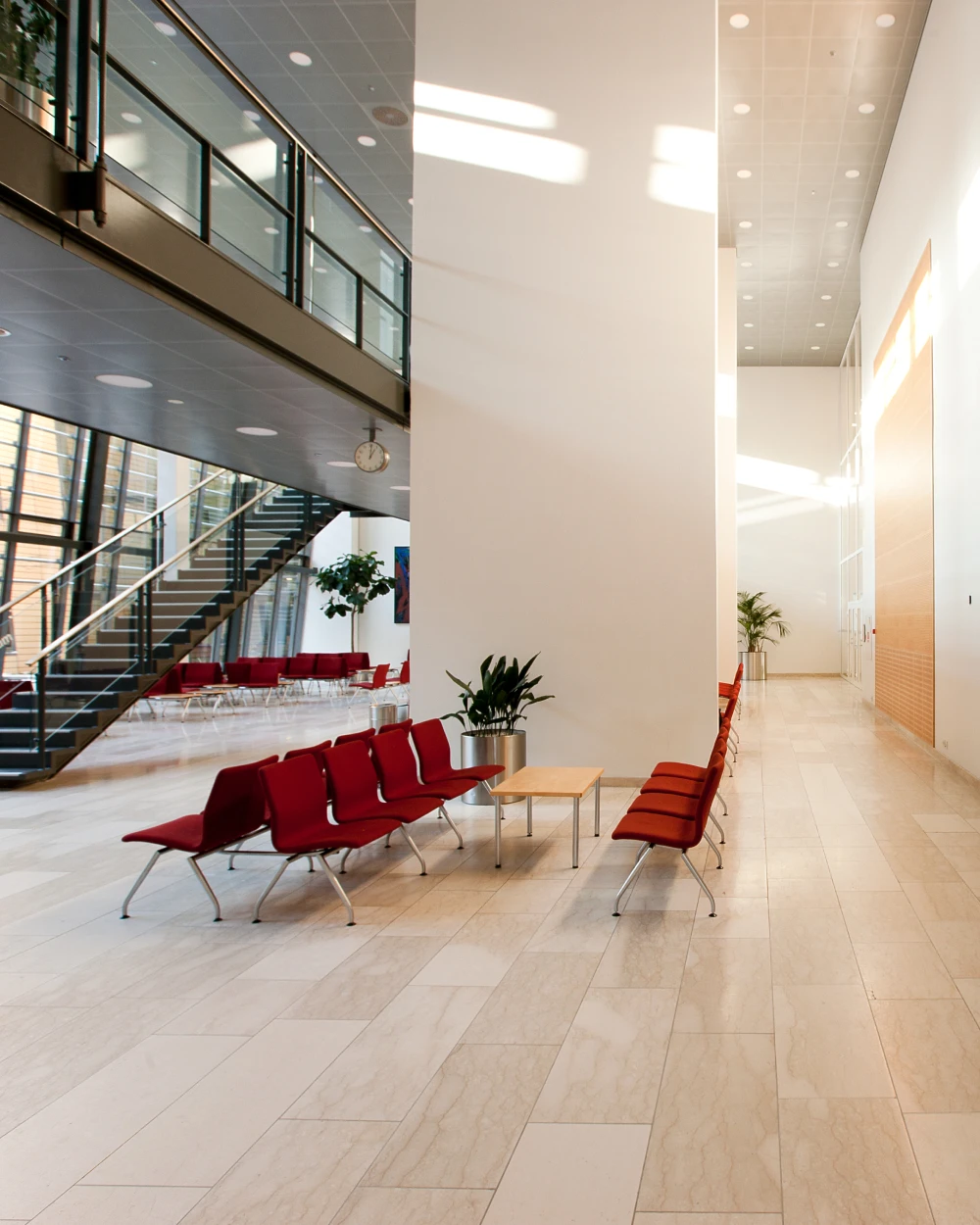
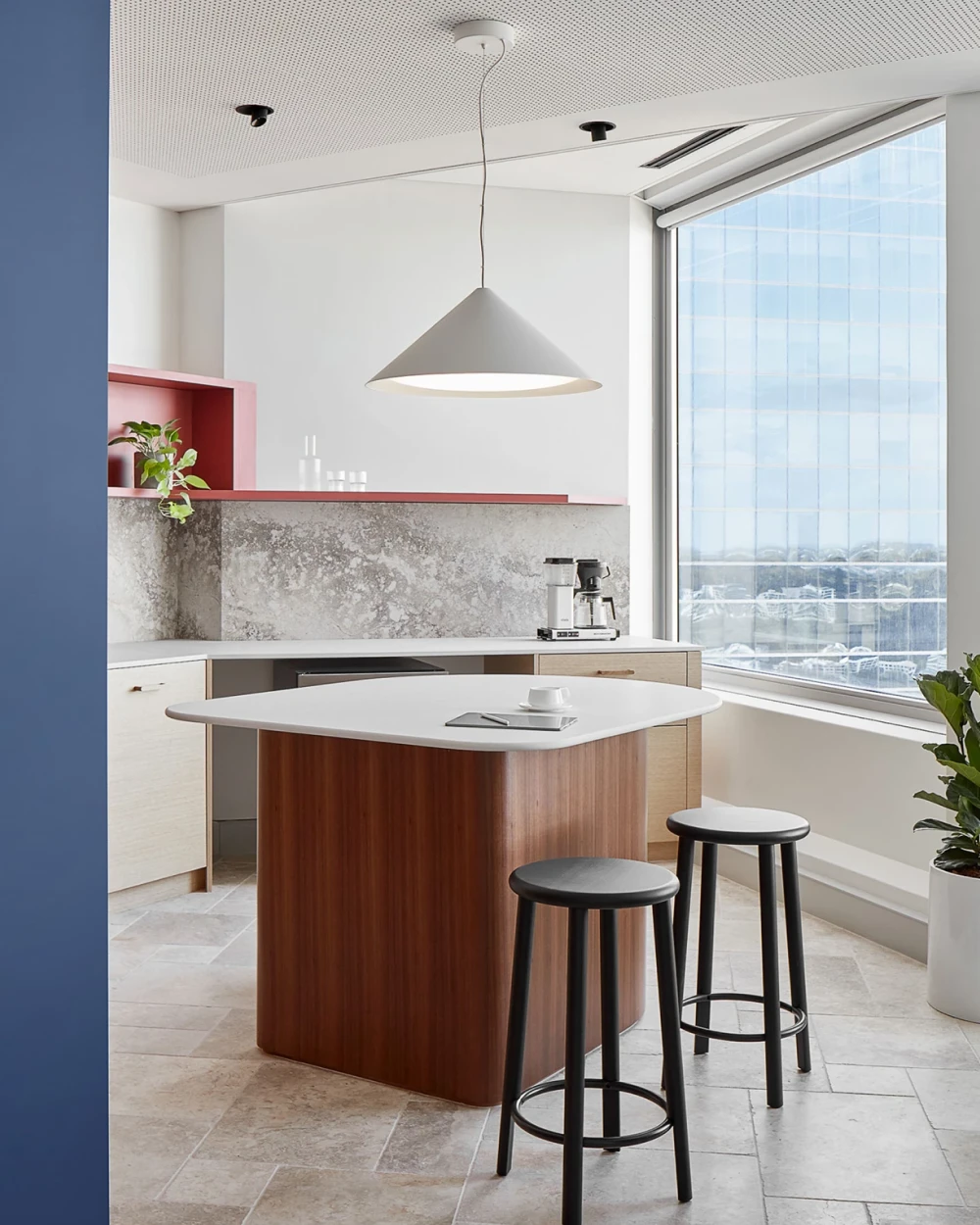
From decades of research on light’s importance for our biological function, we know that light affects and stimulates us both physically and emotionally and it has a measurable impact on our mental state and even our ability to recover from illness. We know that if we are exposed to enough natural light, our blood pressure drops, and the risk of cardiovascular diseases declines. Mentally, daylight and artificial lighting counteracts depressive conditions and it is concluded, that if we get enough light early in the day, we are more likely to sleep better at night.
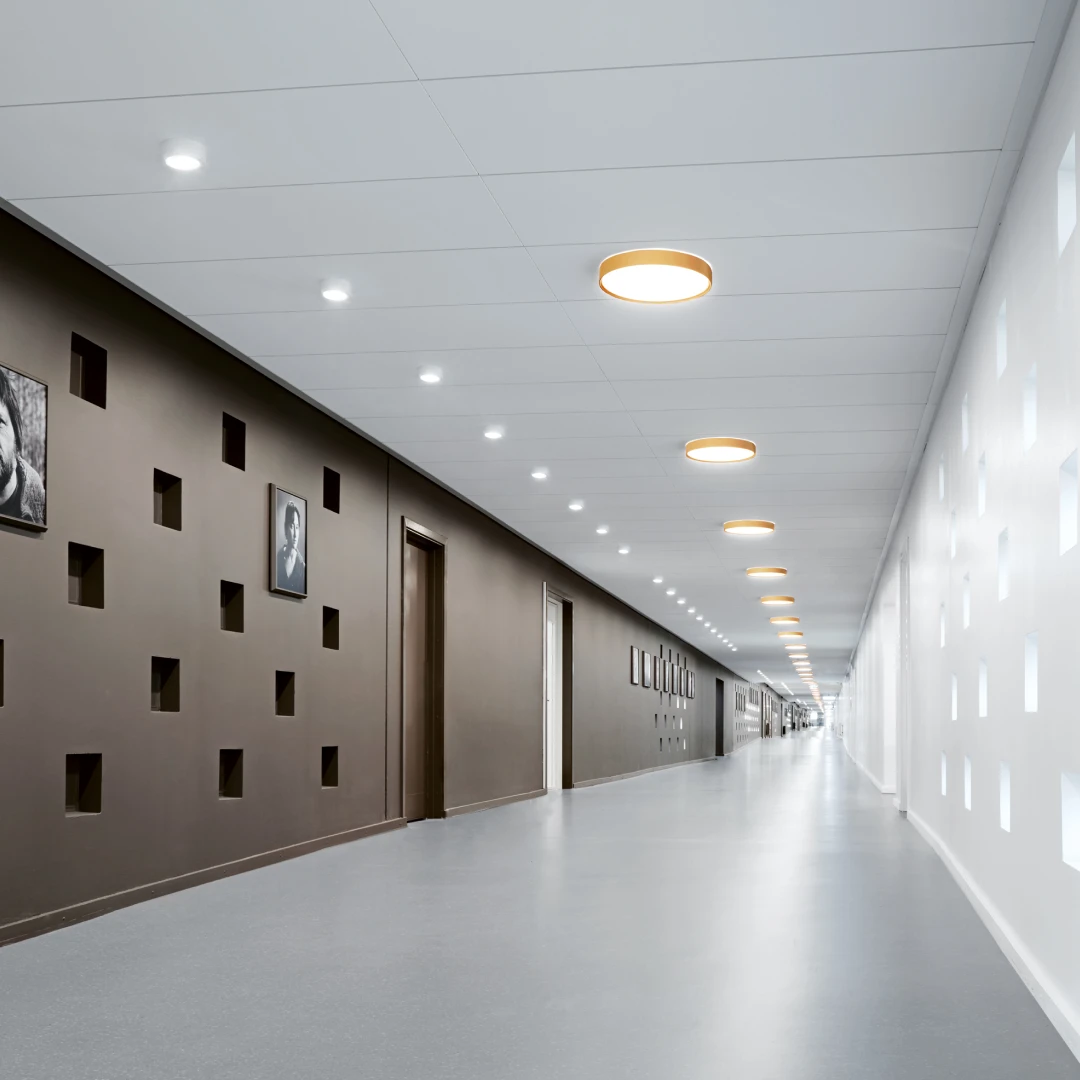
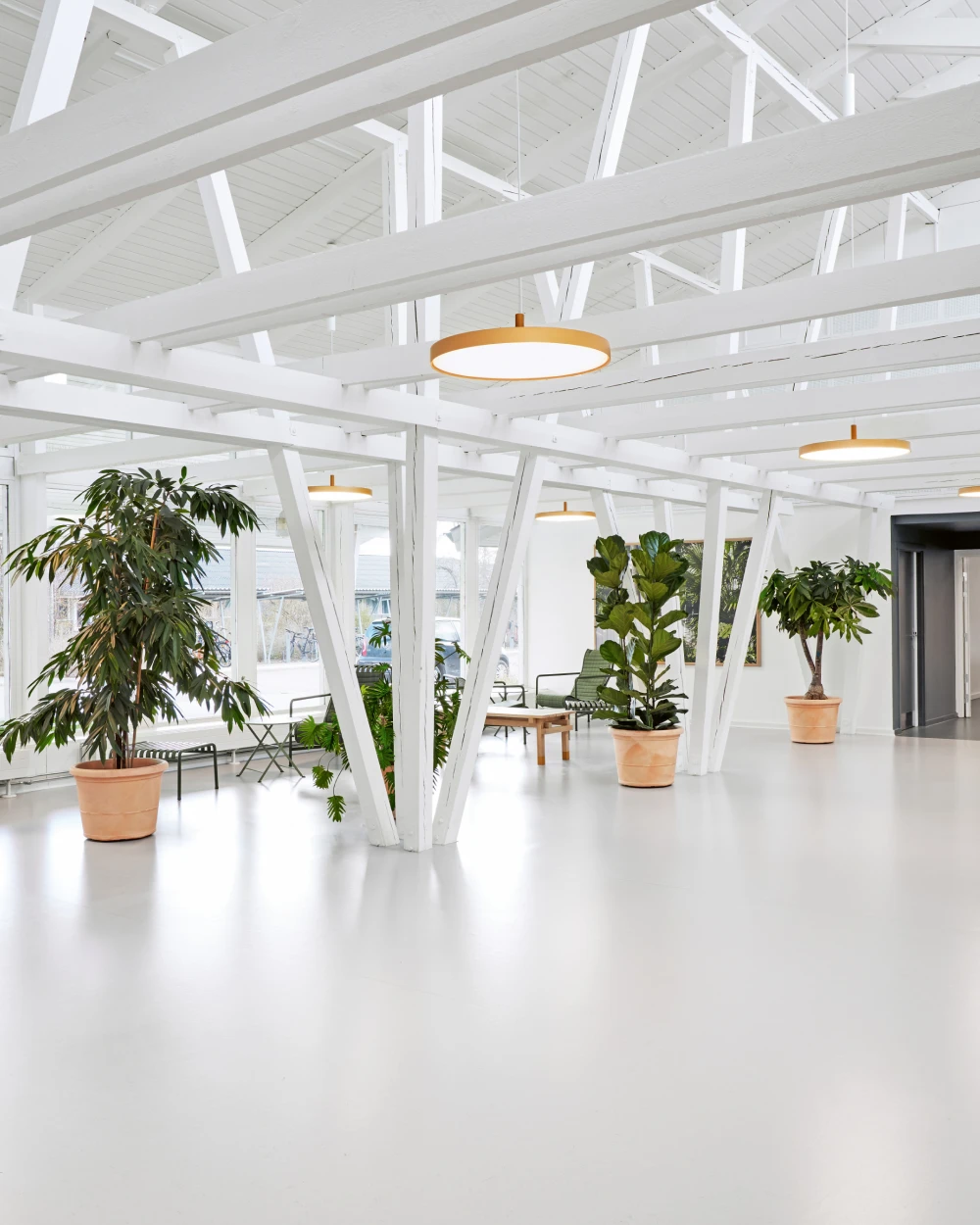
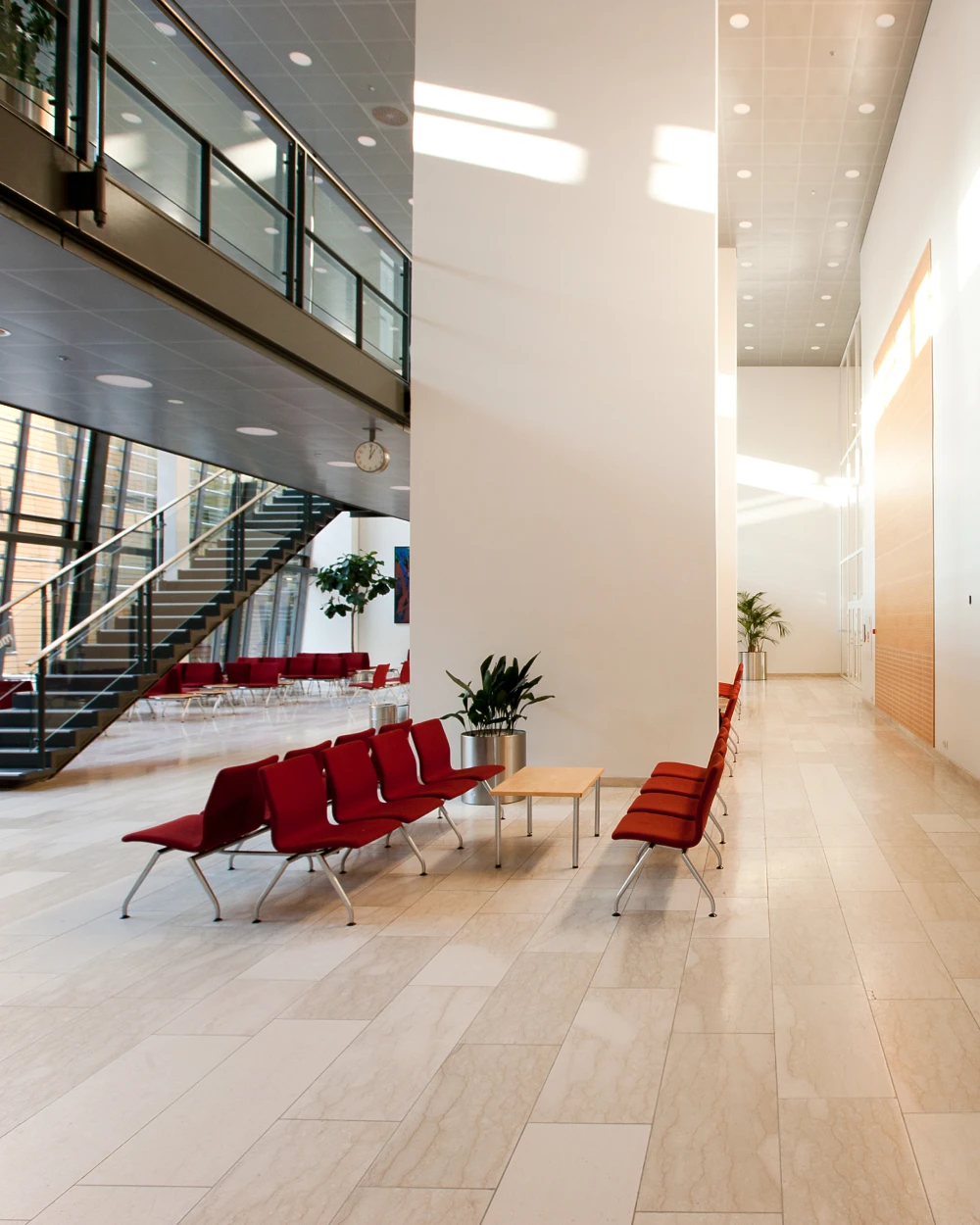
Access to daylight is also seen as a factor in reducing recovery time or the amount of medication that patients need. Hospital lighting design should seek to optimize the natural light, including sunlight, in patient rooms, waiting rooms, staff work rooms, and rest areas; and where there is inadequate daylight it should be compensated by providing lighting solutions that simulate natural lighting conditions over the course of the day, supporting the circadian rhythm: the human brain’s 24-hour clock for cycling through sleepiness and alertness at regular intervals. In simple terms, naturalistic light is artificial light that replicates nature’s own rhythm of darkness and light.