
When you compare a brightly lit kitchen to a bedroom subtly lit by candlelight, the difference is more than the amount of light. The light temperature also has an impact on the feeling of each space. Candlelight softens the room with subtle reds and yellows, while the kitchen resembles neutral daylight. The temperature impacts visibility and your energy levels, so understanding which bulbs to choose is paramount.
Light temperature describes the light's appearance to the eye, similar to calling winter tones cool and autumn tones warm. To make an informed choice, consider the science behind the light temperature scale.
The light temperature scale
We can see colors at temperatures from 1000K to 10000K, but you typically won't use bulbs at the highest end in your home. The range can be described as follows:
Up to 2000K appears as a dim yellow light
2000K - 3000K appears as a warm light with a small amount of yellow
3100K - 4500K is a bright, neutral white light
4600K - 6500K gives off a bright blueish light
Over 6500K is a very bright, blue light
Natural light varies in temperature from around 2000K at sunrise and up to 5500K during daylight. You'll find similar variance in artificial lights. At home, you'll typically use temperatures from 2000K to 6500K.
Bulbs are also measured for their color accuracy using the color rendering index (CRI), which describes how true to color they are. LEDs have the highest at 80-90 CRI, making them the ideal choice for energy efficiency and color accuracy. Choosing lights with a higher CRI ensures your space appears vibrant1.
Benefits of warm and cool light temperatures
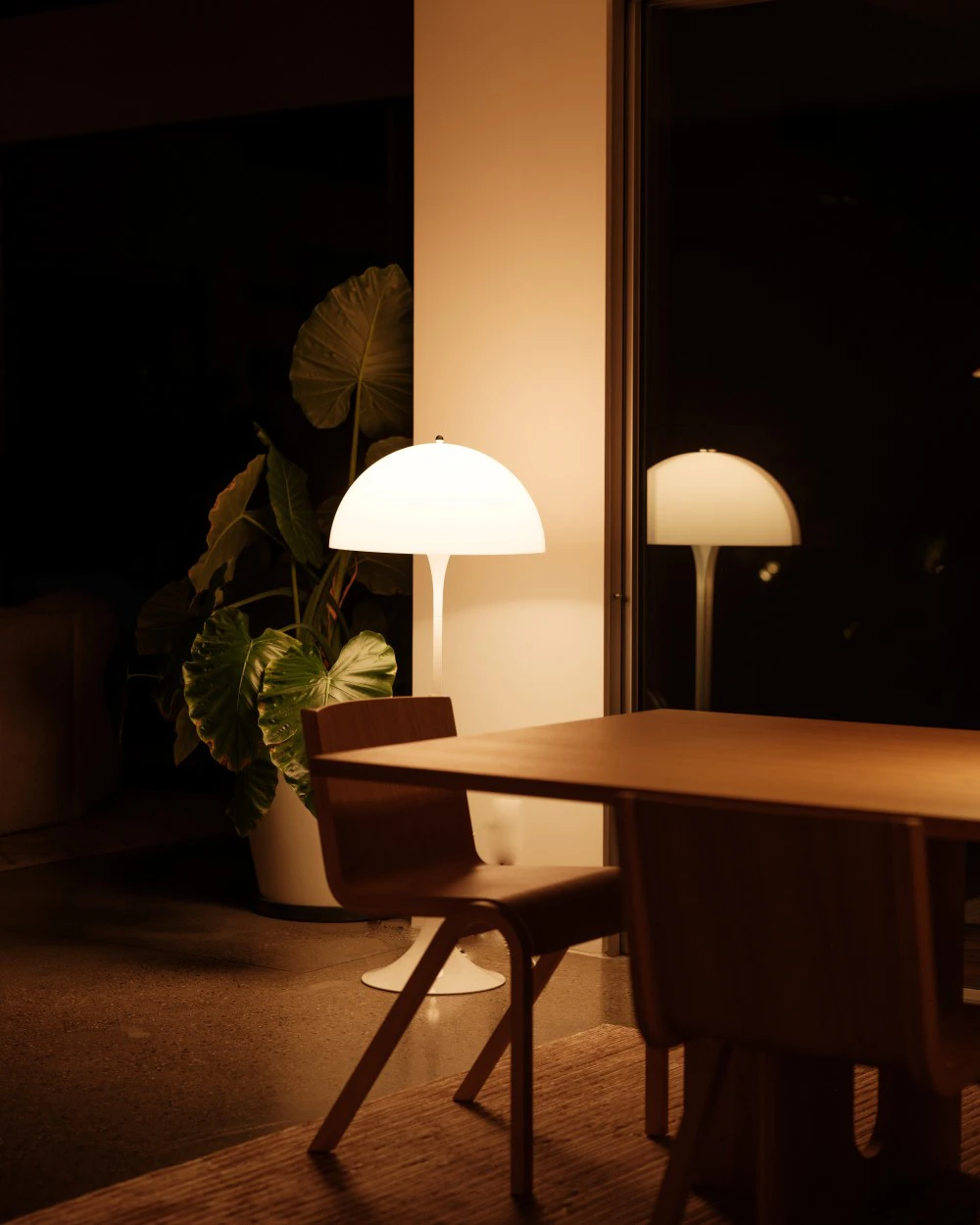
The brain looks to light brightness and temperature to control your body's circadian rhythm and to signal hunger cues. Choosing lights that mimic the natural light cycle outside ensures your internal clock ticks at the expected pace. You can also use this to your advantage when you need extra energy or to relax. Your brain promotes the most energy during daylight from 3500K to 4100K, while sending signals to relax at sunset around 2000K to 3000K1.
In addition to the physiological and psychological effects, the light temperature alters how a room appears. Cool lights add a bluish tint, and warm light adds red tones. Consider how you want your paint and decor to appear when choosing a bulb's light temperature.
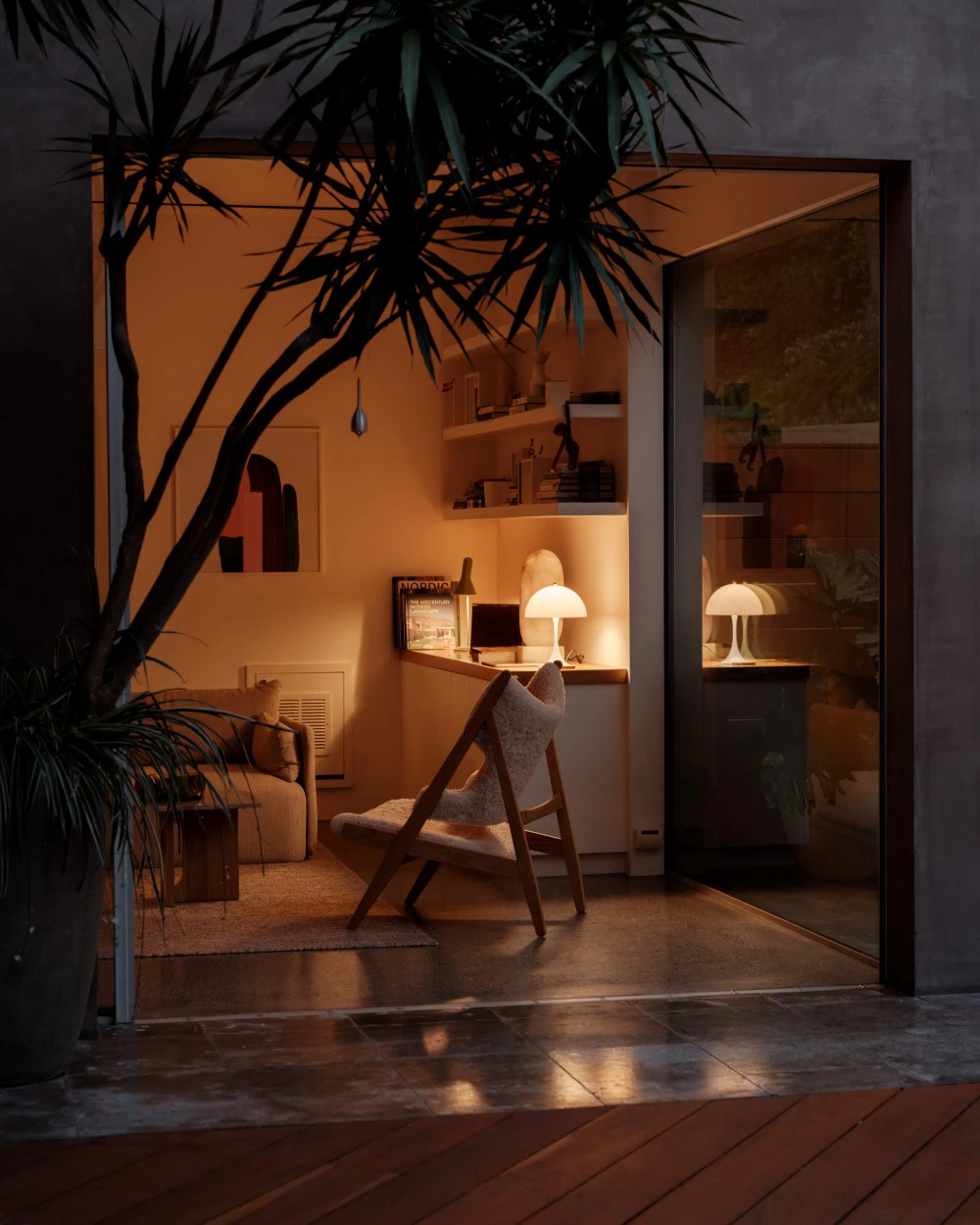
It also helps to think about how a space is used when designing a lighting scheme. For example, warm white light in the range of 2000K to 3000K is ideal for social spaces because the understated reds and yellows complement most skin tones1.
Sources
- (22 May 2020). What is Light Color Temperature? Retrieved September 26, 2025, from
- https://www.tcpi.com/what-is-lighting-color-temperature/
- Stevens, L. (30 May 2023). Understanding Color Temperature. Alcon Lighting. Retrieved September 27, 2025, from https://www.alconlighting.com/blog/learning-lab/color-temperature-guide/
- (7 March 2012). What is Color Temperature? Home Accents Today. Retrieved September 27, 2025, from https://www.homeaccentstoday.com/furniture-lighting-and-decor/what-color-temperature/
- Understanding Light Bulb Color Temperature. HD Supply. Retrieved September 26, 2025, from https://hdsupplysolutions.com/s/bulb_color_temperature
- Light temperature and how to choose it for your space. Axolight. Retrieved September 26, 2025, from https://www.axolight.us/light-temperature-and-how-to-choose-it-for-your-spaces/