How does indirect lighting work?
Indirect lighting is a type of ambient lighting that provides the foundation for illuminating a space, as opposed to task lighting, which focuses on a specific area or object. As the light hits a surface, it’s scattered around the room, reducing shadows and contrast and creating softer illumination. Not only does this make the space more inviting, but it’s also easier on the eyes.
Types of indirect lighting
What fixtures can be used for indirect lighting in your house? There are a few different options and techniques to try:
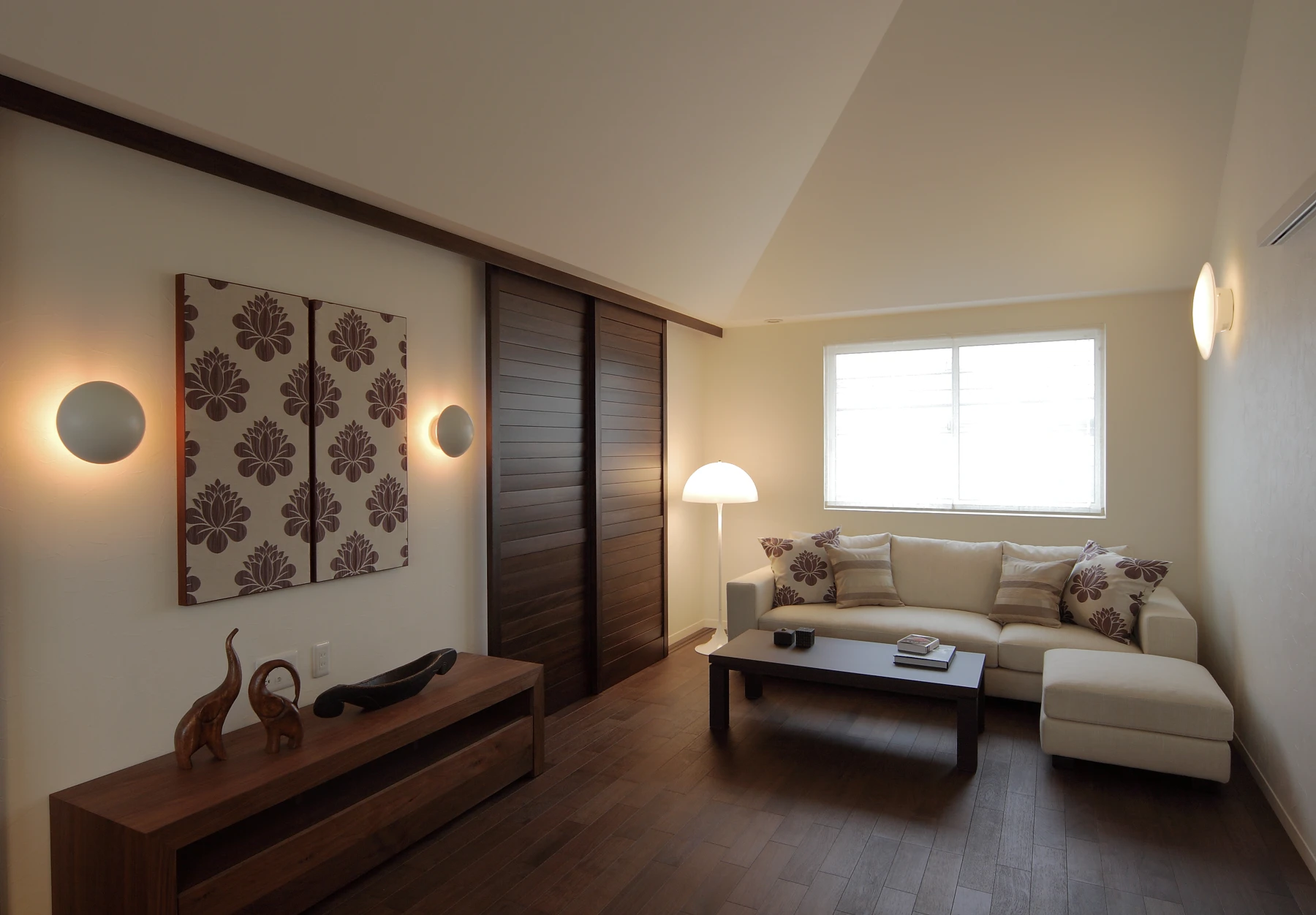
- Floor lamps: Choose floor lamps with upward-facing shades to bounce light off the ceiling.
- Wall sconces: Similarly to floor lamps, you want to choose sconces that project the light upward to create that perfect soft glow2.
- Lights for built-ins: Install recessed lighting in niches or false ceilings. This is different from the recessed lights you may have throughout the house, which provide direct lighting. Think LED strips in a shower niche or a tray ceiling.
Indirect lighting vs. direct lighting
While indirect lighting is about setting the right mood and creating warmth, direct lighting is about bright illumination and focus. Task lighting falls into this category, like the table lamp on your desk or recessed lights in your kitchen ceiling. However, don’t think about pitting direct versus indirect light fixtures—a well-designed home should utilize both types of lighting. Take a look at how mixing the two can help you create a beautifully modern space.
Advantages of indirect lighting
Indirect lighting is useful in most rooms in the house. Here’s how it can enhance your home:
- Diffused lighting provides a softer, warm glow, creating depth and the relaxed ambiance you’d want at home.
- Because indirect lighting eliminates shadows and glare, it’s the best option for a home office or living room for making computer monitors and TV screens easier to see.
- Soft lighting (which uses a lower color temperature) and reduced glare also equate to less eye fatigue, allowing you to feel more relaxed3.
- Subtle lighting can carefully highlight architectural features, such as a coffered ceiling, without taking attention away from the rest of the room1.
- Even a larger room can feel intimate by choosing warm tones (no more than 3000K) instead of direct light.
When to use direct lighting
The warm glow of indirect lighting works in most spots throughout the house, but there are times when you need brighter illumination. The main advantage of direct lighting is enhanced visibility, so here is how you can achieve that:
- Task lighting: A table lamp on your desk, under-cabinet lights in the kitchen, and vanity lights in the bathroom are all examples of task lighting. A reading light next to your bed and the pendants hanging above the kitchen island also fall into this category, providing enough brightness to tackle the task at hand.
- Safety lighting: Direct lighting is better suited for dark corners, along the stairs, and around the perimeter of your house to prevent safety issues.
- Highlighting: If you have a gallery room or spot dedicated to artwork or sculptures, you may want to draw added attention to particular pieces.
How to create a well-balanced home interior with lighting
Even with carefully curated furniture, artwork, and paint colors, your home won’t truly feel balanced without the indirect lighting fixtures. Doing so will highlight the best features of each room while creating a sense of tranquility and relaxation that are essential to modern home design.
Living room
The living room often does a lot of heavy lifting—it’s the spot for family gatherings, TV time, reading, and entertaining. So, you’ll have plenty of options here to make this room feel relaxing. Choose floor lamps as your main source of light and shades that face upward, which brighten the ceiling and make the room feel bigger.
If you have a false ceiling, install LED light strips around it or recessed lights for a subtle glow. Lastly, place LED lights on bookshelves or wall niches2.
Kitchen
Your kitchen will primarily have direct light fixtures, and rightfully so. But just because you need enough light for cooking, you don’t want a sterile room. Try above-cabinet lighting to allow diffused light to wash over the ceiling. If you have a coffee or breakfast nook, this is a perfect spot for soft LED light strips under the cabinet.
Bedrooms
If there is any room in the house that should be relaxing and intimate, it’s your bedroom. Create a soft glow around your bed by installing LED lights around the headboard or even under the bedframe. Table lamps for nightstands should have shades to provide soft lighting and avoid exposed bulbs. Most importantly, ensure all the lights here have dimmers so you can control the amount of light4.
Bathrooms
Like the kitchen, you’ll want plenty of direct lighting here while you’re getting ready. But when it’s time to turn the bathroom into a spa-like oasis, you have a few options. Place wall sconces on either side of the mirror for warm lighting, or a backlit mirror that already has lighting installed along its edges. You can also utilize LED strips under the vanity or install cove lighting in any recesses.
Sources:
- Indirect Lighting: Lighting Explained. PacLights. Retrieved March, 26, 2026, from https://www.paclights.com/explore/indirect-lighting-lighting-explained/
- Firpo, A. (24 July 2025). How to Create Atmosphere with Indirect Lighting. Tropicalistic. Retrieved March 26, 2026, from https://tropicalistic.com/blogs/news/how-to-create-atmosphere-with-indirect-lighting
- McCarthy, J. Defining and Understanding Direct and Indirect Light. Lumato. Retrieved March 27, 2026, from https://lumato.com/defining-and-understanding-direct-and-indirect-light/
- Halttu, J. (12 January 2026). Bedroom lighting design - light in the engine room. LED Store. Retrieved March 27, 2026, from https://ledstore.pro/blog/2023/01/08/bedroom-lighting-design