Types of directional lights
While diffused lighting, commonly used for ambient lights, emits an even layer of light throughout a space, most directional lights direct a focused beam in a specific direction. Some fixtures even combine these effects by emitting lighting in multiple directions. Using multidirectional lights provides flexible and balanced lighting while offering additional functionality as your needs change throughout the day.
When implementing directional lights throughout your home, placement is important. If placed in thoughtful locations, directional lights can highlight features such as paintings or your home's architecture by layering shadows and highlights.
While directional lights are rarely used for ambient lighting, both task and accent lighting benefit from directional lighting. When choosing directional lighting fixtures, determining whether they will be decorative or task oriented will help you choose the style most suited to each room.
Downward directional lights
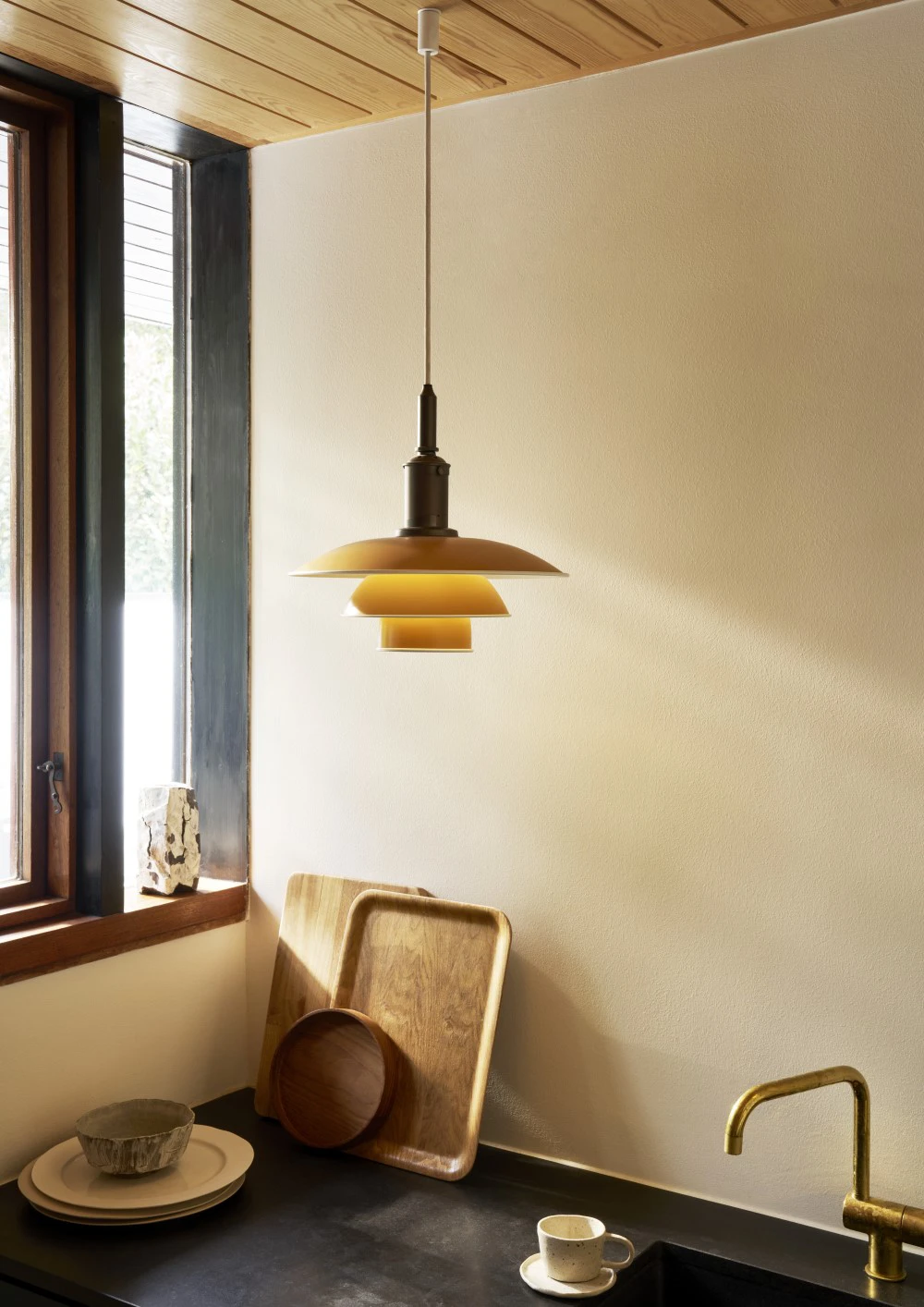
Directional lighting that points downward is ideal for minimizing glare while providing a strong, focused light for completing tasks. One downward-facing directional lighting example is a pendant lamp placed over your kitchen counter to provide task lighting for cooking.
Upward directional lights
Commonly called recessed lighting or indirect lighting. Recessed-style lighting allows for minimal aesthetic throughout the home. Recessed lights are typically installed directly into the ceiling, which helps create a clean design. Additionally, you can choose the angle or direction, making recessed lights a versatile choice for highlighting artwork or other features throughout your home.
When aimed upward toward the ceiling, directional lights create a softer effect called indirect lighting. The room is then lit with the softer light that reflects back down. This technique helps eliminate glare and shadows within a room and creates a calming ambience. As you consider whether indirect lights will work throughout your home, be mindful of your ceiling's texture and color. Matte textures and light-colored ceilings are ideal for creating reflections with minimal glare.
While most directional lights are reserved for accent and task lighting, recessed lighting fixtures provide ambient lighting due to their flexibility. With a dimmer switch, recessed lights can be adjusted throughout the day from subtle, ambient lighting to direct, bright task lighting.
Outward directional lights
Outward directional light fixtures direct light horizontally. Unlike a downward-facing directional light, which emits a focused beam. These lights can provide soft and even illumination. Their soft glow is best suited to hallways and bathrooms for subtle accent lighting.
Omni-directional lights
While most directional light fixtures emit focused light in one or two directions, these lights illuminate your space in every direction. These lights brighten up dark sections of a room by spreading light evenly. A floor lamp placed in a dark corner can eliminate shadows and improve overall illumination within the room. For flexibility, pair these fixtures with a dimmer switch, so you can adjust the brightness depending on the time of day.
Out and down directional lights
Light fixtures such as wall sconces and vanity lights come in varieties that emit directional light both out and down. Their multidirectional capability combines form and function. For bathroom vanities where reducing shadows is important, they provide both overall illumination and task lighting.
Out and up directional lights
Like outward and downward fixtures, these lights illuminate in two directions: out and up. These multidirectional lights help create an inviting space by both highlighting the room's architectural features and providing overall illumination with a soft glow.
Down and up directional lights
Another type of multidirectional light fixture emits light both down and up. They can add dimension and depth to your home with a balanced and dramatic effect. A common downward and upward-facing directional lighting example is a wall sconce used in a hallway to increase overall visibility while highlighting architectural features.
Up-down lights come in multiple varieties. Semi-direct lighting directs most of the light downwards in a focused beam, while the upwards light provides additional subtle glow. Some fixtures offer the opposite: Semi-indirect lights direct most of the light upwards towards the ceiling for an ambient effect, while the downwards-facing light provides soft focus downwards.
Incorporating directional lights throughout your home
Directional lights for task lighting
For task lighting, angling directional light gives you control over your workspace. For example, you can angle the light over the counter while preparing a meal in your kitchen. Another directional light example used in task lighting is the classic desk lamp. If you have a home office, a desk lamp offers directional lighting so you can adjust the beam’s focus as you switch between tasks. For reading in the living room, a floor lamp with an adjustable arm helps you find the perfect angle to eliminate any glare. Similarly, a bedside lamp or wall-mounted fixture with a flexible arm can be adjusted for reading in bed.
Directional lights for accent lighting
When used for accent lighting, directional lights can be aimed to highlight specific features in your home, such as a room's architecture or a treasured painting. A narrow beam, 10 to 30 degrees wide, can be angled to create contrast and dramatic shadows, while highlighting a chosen feature of the room. This effect can be created by placing an accent light directly above or below a piece of artwork.
While there are many types of directional lights and ways to use them, their biggest strength is flexibility. One fixture can be adjusted throughout the day as you change from focused tasks to relaxing in the evening.
Stop by our New York or Miami showroom to see how your favorite fixtures look in real life, and browse online to see our full selection. Find more styling ideas on Instagram.
Sources:
- Using Directional Lighting to Enhance Your Home Interiors. Charlotte Candillier Interiors Ltd. Retrieved April 22, 2026, from https://www.charlottecandillierinteriors.com/post/using-directional-lighting-to-enhance-your-home-interiors
- Directional Lighting: Shaping Spaces with Light and Shadow. Visual Comfort & Co. Retrieved April 22, 2026, from https://www.visualcomfort.com/inspiration/directional-lighting-shaping-spaces-with-light-and-shadow/