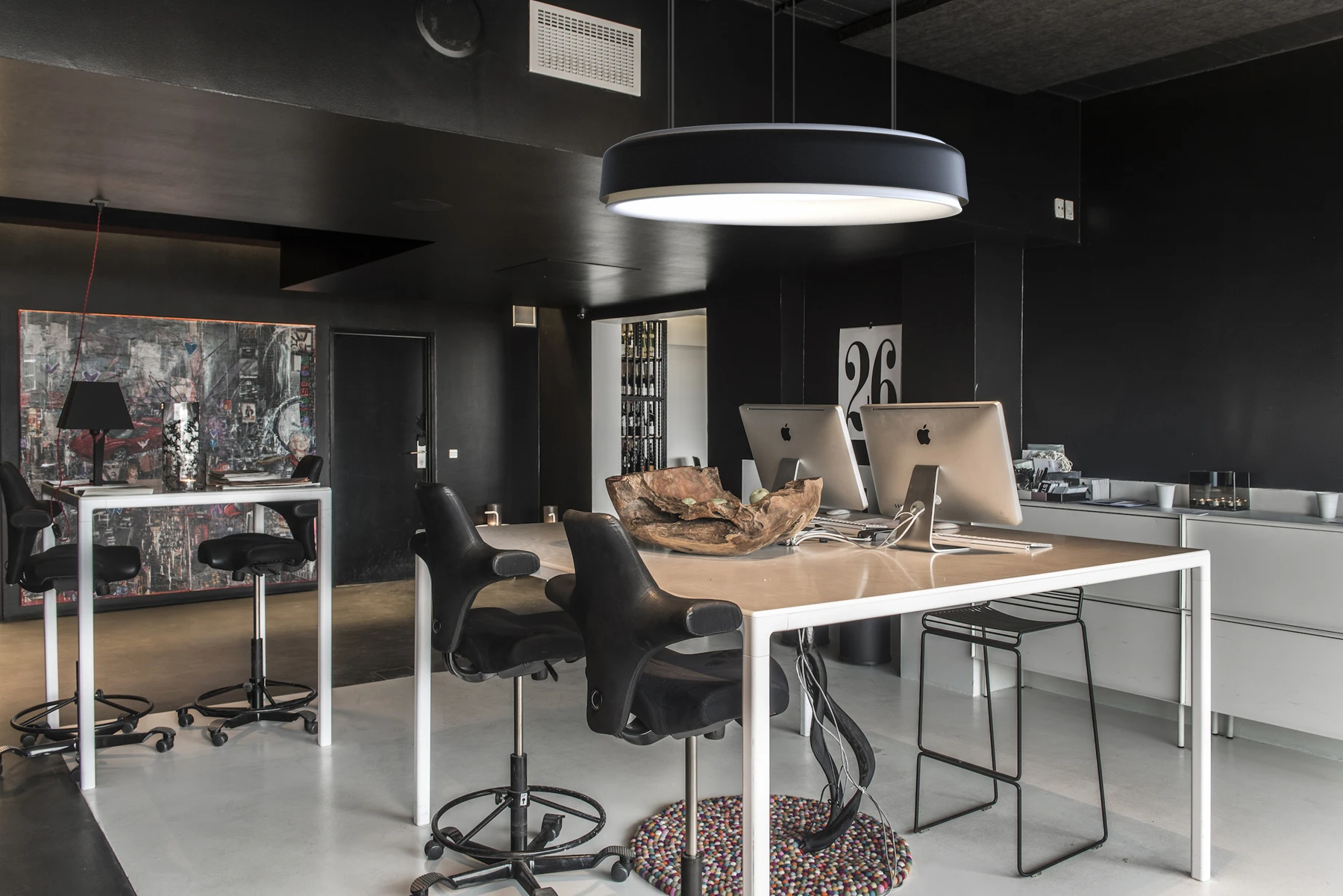
How is architectural lighting different from other types of lighting design?
Architectural lighting design and lighting design both share some similarities. However, lighting design typically focuses on functional and ergonomic design, while architectural lighting focuses on integration with the architecture. But what is architectural lighting? The architecture of a room should tell a story that is expressed with its lighting. Architectural lighting considers the psychological and physiological benefits of quality lighting, but its overall goal is to accentuate the design elements of a room. Within the home, architectural lighting can be used to create visual flow, highlight premium materials, and provide a comforting atmosphere.
More than basic illumination, architectural lighting affects the way we perceive the size, shape, and texture of a room. To create its overall effect, architectural lighting design relies on a thoughtful combination of aesthetics, function, and efficiency. While keeping in mind the function of each light source, architectural lighting should accentuate the beauty of the space. Ideally, each light fixture will also be mindful of sustainability by using energy-efficient bulbs, such as LED lights.
Like standard lighting design, architectural lighting also relies on the three main types of light: ambient lighting, task lighting, and accent lighting. Ambient light provides an overall foundation of light within a room. The ambient lighting should be uniform and even with no shadows or contrast.
Task lights help you perform tasks, such as reading or cooking, or direct your attention to a specific place within the room.
Accent lights highlight features of a room. When used for architecture lighting, accent lights can be used to create shapes and shadows while highlighting the room's design elements5. Architectural lighting strives to combine these types of lighting in a manner that is balanced and beautiful.
How to incorporate architectural lighting
Where possible, lighting elements should be part of the early planning stages when designing a room2. Light is an architectural design element that affects our perception of a room. Unlike other types of lighting design, architectural lighting is typically incorporated directly into a building's structure1.
Thoughtfully placed lights can reimagine, resize, and transform a room without ever needing to change its physical layout. Architectural lighting should be adaptable to every activity that a room will be used for. Additionally, architectural lighting fixtures should be a cohesive part of the overall architecture. As you select fixtures, consider their ability to illuminate the space while blending into the room5.
While the primary focus of architectural lighting is on the aesthetic of a room, the design principles combine art, design, science, and technology. The design should consider the materials and construction of the room, as well the room’s function, when selecting lighting fixtures. By planning ahead, your room can successfully combine function and form4.
When designing a space, the size, shape, and color scheme should be in balance for aesthetic cohesion. Imagine the emotional response you'd like each room to elicit as you consider which lights to feature. Whether the lights are cool or warm can change how a room feels. Cool lights can feel more modern, while warm lights create a cozy space.
As you consider aesthetic choices for architectural lighting, the function should not be forgotten. Successful architectural lighting design can balance aesthetic choices along with the room's function. Additionally, as you plan the lighting throughout your home, keep in mind that well-designed architectural lights account for both daylight and artificial light to flow seamlessly throughout the day.
Techniques Used With Architectural Light Sources
You can implement architectural lighting designs using chandeliers, pendants, track lighting, and recessed lighting throughout your home and use common architectural lighting techniques.
Wall grazing
Wall grazing will highlight the wall's texture. An LED light placed nearby and directed at the wall creates shadows that emphasize the texture. These lights are typically placed on the floor or ceiling. For architectural lighting, in-grade lighting is often used to highlight vertical and horizontal structures. Placing in-grade lighting within a doorway or on a staircase provides visual interest.
Recessed lighting
When used for ambient lighting, recessed lighting creates a soft glow rather than a brightly lit room. This can be used to create an intimate setting and reduce glare. Recessed lights can also be used as accent lights to highlight artwork. One type of recessed lighting often used for architecture lighting is linear recessed lighting, which combines function and creativity. Like uplighting, these lights provide overhead illumination without appearing harsh. These can be installed in artistic fashion to create visually interesting designs on the walls and ceiling.
Cove lighting
Cove lighting is a modern design technique where the LED light is placed in a cove, hiding the light source. This creates a soft, indirect lighting effect. This technique is an elegant way to highlight crown molding or other design features. The soft glow enhances architectural features while eliminating potential glare.
Uplighting
Uplighting is another kind of indirect lighting. These lights provide overhead illumination without using direct light. Instead, the linear fixtures are aimed upwards, resulting in a soft glow and no harsh glare. This effect can create a softer look while highlighting architectural features.
While using the above elements, remember that light alters a room's perception to create the overall effect. Lights aimed upwards give the perception of a larger room, while walls appear longer when lined with linear lights. A small room can appear larger by reflecting light on pale walls. Through a combination of these elements, you can design a home that mixes aesthetics with function.
Sources:
- How to Apply Architectural Lighting Concepts to Your Home. Visual Comfort. Retrieved March 26, 2026, from https://www.visualcomfort.com/inspiration/how-to-apply-architectural-lighting-concepts-to-your-home/
- Montjoy, V. (28 October 2022). When Light Tells a Building’s Story: What is Architectural Lighting? Arch Daily. Retrieved March 26, 2026, from https://www.archdaily.com/990976/when-light-tells-a-buildings-story-what-is-architectural-lighting
- (26 January 2023). What Is Architectural Lighting. MP Lighting. Retrieved March 26, 2026, from https://mplighting.com/news-and-knowledge/knowledge/what-is-architectural-lighting/
- (24 May 2023). What is Architectural Lighting Design: Features and Ideas. Centerlight. Retrieved March 26, 2026, from https://centerlight.com/blog/what-is-architectural-lighting-design-features-and-ideas
- (26 August 2025). Architectural lighting: methods and trends to inspire your lighting projects. Faro Barcelona. Retrieved March 26, 2026, from https://faro.es/en/blog/architectural-lighting/