What does "integrated LED" mean?
Rather than relying on bulbs that screw into a fixture, integrated LED lighting fixtures use built-in LED lights as part of their design. They are typically composed of an LED chip or module, an LED driver that powers the LEDs, heat-management components, wiring, and a lens or diffuser. This might leave you wondering, “Can you replace integrated lights yourself?” Unlike traditional fixtures, you do not need to replace the bulbs yourself.
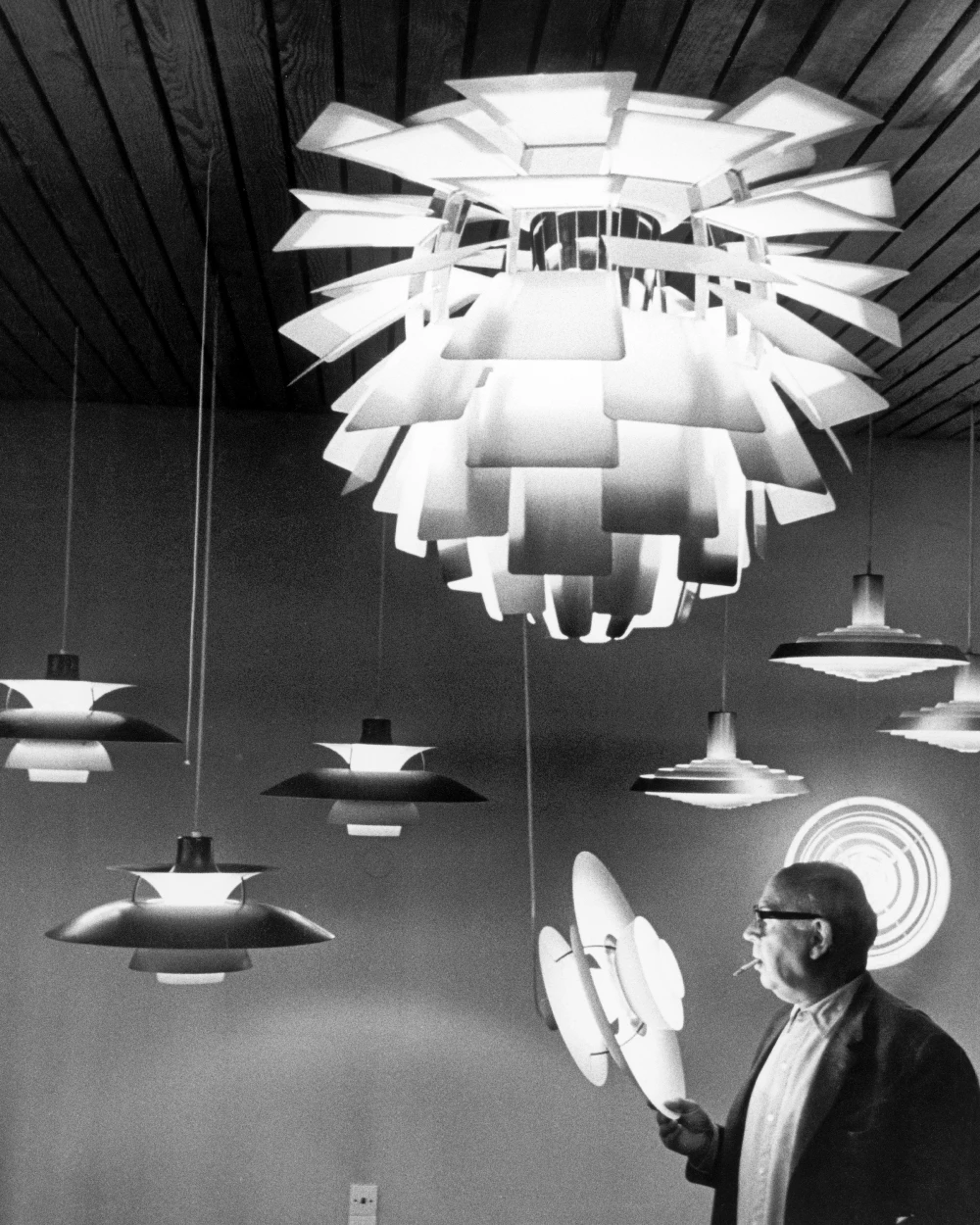
Because integrated LED lighting fixtures do not need to account for space to screw in a replaceable bulb, the designs can be more creative. Unique shapes, such as ring chandeliers, sculptural pendants, and compact wall fixtures, are made possible because of the built-in LED lights. The wide range of designs allow homeowners to purchase a reliable fixture without sacrificing form for function.
Integrated LED lights do have some downsides, including a lack of flexibility and the ability to perform DIY repairs and installation. For example, because installation is more challenging, DIY installation is not recommended. Professional help is needed for installing new fixtures and completing future repairs.
Also keep in mind that each integrated LED lighting fixture differs. When choosing a new fixture, look at the product specifications carefully. Important features include total lumen output, fixed or selectable color temperature, dimmer compatibility, and remote or smart controls for maximum flexibility. This choice is significant, since you cannot swap to new bulbs after purchasing.
Integrated LED vs. replaceable bulbs: Key differences
By using built-in LED lights, these fixtures have some clear benefits compared to replaceable bulbs. The main advantages are minimal maintenance, lower long-term costs, and unique designs. Because less maintenance is required, integrated LED lights are ideal for locations that are hard to reach, like high entryways and living rooms with vaulted ceilings.
Compared to replaceable bulbs, integrated LEDs can be cost-effective due to reduced maintenance costs. Individual bulbs never need replacing, so your electricity bill will be significantly lower after the initial investment. They also have drastically improved lifespans over standard bulbs, with some integrated LEDs lasting over 50,000 hours with heavy use. These energy-saving improvements come from the improved heat dissipation. The diodes are installed on a board that spreads heat across a wider area, with the option to mount an additional heat sink that further reduces the fixture’s temperature.
While integrated LEDs come with many advantages, replaceable bulbs have advantages as well. One main advantage is the ability to choose the bulb brightness and temperature. For fixtures with replaceable bulbs, you have the flexibility of changing the temperature and brightness by swapping to another bulb at any time. Another benefit of replaceable bulbs is ease of repair if a bulb goes out. Unlike integrated LED lights that could need professional help for maintenance, replaceable bulbs can be easily swapped out yourself.
If you’re looking for energy-saving benefits, integrated LEDs aren’t the only option. That’s because you can use replaceable LED bulbs in traditional fixtures. Both the integrated and replaceable varieties utilize smart technology, allowing you to change the brightness and temperature. They also have motion sensors, remote control, and scheduling that allow you to adjust the intensity and temperature to fit the time of day and your desired mood.
Lifespan, maintenance, and long-term value
Quality LED lights may last more than 50,000 hours. Integrated LED lighting fixtures purchased from reputable companies come with warranties to match their expected lifespan, so you can feel confident in your purchase.
However, the wiring, LED driver, or other components may not function for as long. Depending on the fixture, those components may be repairable. In some cases, the entire fixture may need replacing. To ensure the longevity of your integrated LED lights, some regular maintenance is helpful.
Stick to a consistent cleaning and maintenance schedule to maximize your lights' visual appeal and long-term functionality. Dust can accumulate on the surface and eventually get into the crevices. Prevent deterioration and safety hazards by regularly wiping down your fixtures. When cleaning, inspect your integrated LED lights for loose connections, damaged sockets, or frayed wires. If you notice any of these concerns, consult with an electrician for repairs. Keeping your lights clean and checking for potential issues ensures you can repair your integrated LEDs before small concerns potentially turn into major safety hazards.
When considering repairs, another con is the potential need to replace the entire fixture rather than replacing a single bulb. If many years have passed by the time replacement is necessary, finding the same product may be difficult. This could result in buying multiple new fixtures if you had several that matched. Fortunately, the long lifespan of integrated LEDs often negates or offsets these costs.
Before purchasing, check the specifications of each fixture to see if replacement parts are readily available, how the fixture's driver is serviced, and if the driver can be easily accessed. Additionally, make sure you understand how to request service through the fixture's warranty.
Purchasing integrated LED lights accompanied by a long-term warranty will ensure the most value for your investment, especially when shopping from a reputable company like Louis Poulsen. Learn how they engineer integrated LED fixtures built to last for decades.
FAQ
What does integrated LED mean?
Integrated LED lights directly incorporate built-in LED lights into their designs. They are composed of an LED chip, LED driver, wiring, heat-management components, and a diffuser. They don’t use replaceable bulbs.
Because they don’t need dedicated space for a bulb to screw in or rely on traditional bulb shapes, their designs allow for far more creativity. Some integrated LEDs are much thinner or use shapes that aren't possible with standard fixtures. These include rings or flat designs.
Can an integrated LED light be replaced?
Replacements are specific to the fixture. Most residential integrated LED lights do not have replacement LEDs available, but this does vary between individual fixtures. Because an LED's lifespan is so long, other components like the LED drivers typically need replacing before an individual light would.
What happens when an integrated LED fixture goes out?
Often the entire fixture will need replacing, but this varies. For some designs, the broken module may be repairable if the parts are available. A professional will help you identify the problem, whether it’s the driver or an LED module, and decide if it can be fixed.
The next time you purchase a fixture, look at the product specifications to learn more about parts availability, repair and replacement options, and available warranties.
Are integrated LED lights worth it?
Whether integrated LED lights are worth it depends on your unique needs. They offer creative and slim designs, require less maintenance, and cost less over their lifespan than fixtures with replaceable bulbs.
However, they’re less flexible than replaceable bulb fixtures from a brightness and temperature perspective. That’s because you can replace the bulbs as you see fit, choosing light that’s warmer, cooler, or brighter depending on your needs. Compare this to integrated LED lights, which would need to have these specifications built in.